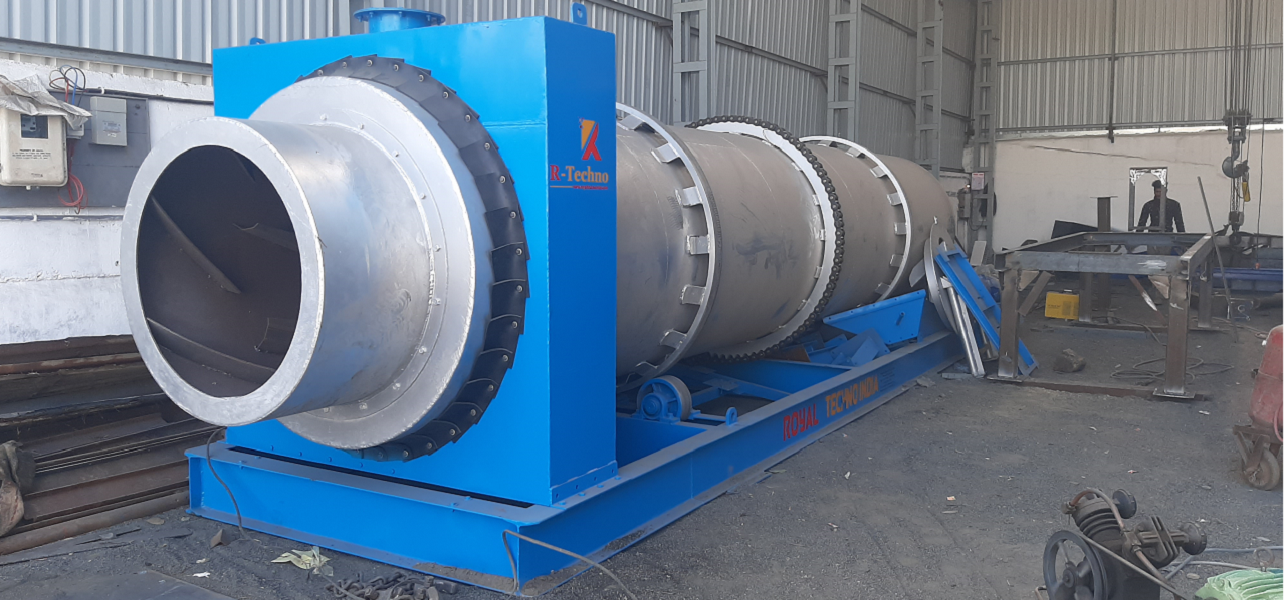

I didn’t really think much about stuff like mineral processing kiln seal earlier, like honestly it sounded super niche… almost boring. But then I got into reading about how plants actually lose money in weird small ways, and this came up a lot. Turns out, this one component can quietly mess up efficiency without anyone noticing for months. Kind of like a tiny leak in your bike tire — you still ride, but something feels off, speed drops, and you’re like “huh, why am I working harder today?”
What’s actually going on inside these kilns
So from what I’ve understood (and maybe I’m simplifying too much), kilns in mineral processing are basically giant rotating cylinders that deal with high temperatures and materials that don’t exactly behave nicely. They expand, contract, shift, and yeah… they leak air if not sealed properly.
And when air leaks happen, it’s not just “oh a little air came in, no big deal.” It messes with temperature control. Even a slight change can throw off the chemical process inside. I read somewhere that uncontrolled air ingress can reduce thermal efficiency by like 5–10%, which doesn’t sound huge until you realize these plants run 24/7. That’s a LOT of wasted energy.
Honestly, it reminded me of leaving your fridge door slightly open overnight. It still works… but your electricity bill tells the real story.
The weird way small gaps become big problems
One thing that surprised me is how tiny gaps in seals can turn into big issues. Like, literally millimeters matter here. The kiln shell isn’t perfectly round all the time (because heat + rotation = distortion), so seals have to adapt constantly.
If they don’t, you get dust escaping, cold air entering, and suddenly your process stability is gone. Operators might start tweaking other settings to compensate, not even realizing the root cause is just… bad sealing.
I’ve seen similar stuff in smaller industries too. Like in a local brick plant near my area, they kept adjusting fuel input thinking that’s the problem, but later it turned out air leakage was the real culprit. Kinda funny but also painful, because they wasted weeks.
Why companies don’t always fix it immediately
You’d think something affecting efficiency would be fixed ASAP, right? But nah, not always. From what I’ve seen online and in forums, kiln seals are one of those “we’ll get to it later” things.
Partly because replacing or upgrading seals means downtime. And downtime = lost production = management stress. So people stretch the life of old seals longer than they should.
There’s also this mindset like, “it’s still working, so why touch it.” Which… yeah, I get it. Even I use my cracked phone screen way longer than I should. But in industrial terms, that delay can cost lakhs or even crores over time.
Different designs and why they matter more than you think
Not all seals are same, and this is where things get a bit more technical (I’ll try not to overcomplicate). There are contact-type seals and non-contact ones, each with pros and cons.
Contact seals press against the kiln shell, so they’re tighter but wear out faster. Non-contact ones have a small gap but rely on design to minimize leakage. Choosing the right one depends on operating conditions, alignment issues, and how much maintenance the plant is okay with.
And from what I’ve noticed in discussions on places like LinkedIn or even random Reddit threads, engineers often debate this a lot. Like seriously, people have strong opinions about seals… which I didn’t expect, but here we are.
Social chatter and what people are actually saying
If you check industry groups, you’ll see a pattern. People don’t usually talk about kiln seals unless something goes wrong. It’s like IT support — no one notices until the system crashes.
Some operators mention that after upgrading seals, they saw fuel savings almost immediately. Others complain about poor installation rather than the seal itself. That’s another thing… even the best product can fail if installed badly. Kind of like buying expensive shoes but wearing the wrong size.
There’s also this growing talk about sustainability. Less leakage means less fuel consumption, which means lower emissions. And with all the pressure on industries to go greener, even small improvements like this are getting more attention now.
A small story that stuck with me
I remember reading a case where a plant delayed seal replacement for months. They thought the cost of downtime was too high. Eventually, things got worse, and they had to shut down anyway… but now the repair was bigger, took longer, and cost more.
It’s like ignoring a toothache. At first, it’s manageable. Then suddenly you need a root canal.
That story kinda changed how I look at these “minor components.” They’re not minor if they affect the whole system.
So yeah… it’s not just a technical part
At first glance, kiln seals feel like one of those background things no one cares about. But the more I read and hear, the more it feels like they’re quietly holding everything together.
Efficiency, cost savings, environmental impact… all tied in some way to how well the sealing is done.
And maybe I’m overthinking it a bit, but it’s interesting how in big industrial setups, it’s often the small, overlooked parts that make the biggest difference. Not the flashy machinery, not the big investments… just a seal doing its job properly.
Kinda makes you wonder what else we ignore that’s costing more than we realize.