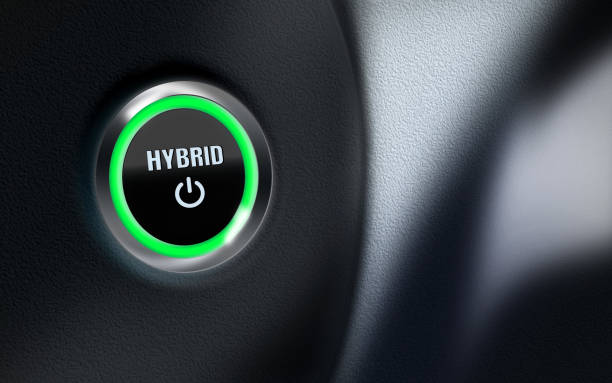

The automobile industry has changed more in the last 20 years than it did in the previous 80. One of the biggest reasons for that shift is the rise of hybrid vehicles. Not too long ago, the idea of a car running on both petrol and electricity sounded futuristic. Today, it’s becoming normal. In many cities, spotting a hybrid car at a traffic signal is no longer surprising.
Hybrid vehicles sit somewhere between traditional gasoline cars and fully electric vehicles. They combine an internal combustion engine with an electric motor. This combination aims to reduce fuel consumption, lower emissions, and still give drivers the convenience they’re used to. It’s kind of like having the best of both worlds — though not perfectly, of course.
What Exactly Is a Hybrid Vehicle?
At its core, a hybrid vehicle uses two power sources. The most common type uses a petrol engine along with an electric motor powered by a battery. The system decides when to use the engine, the electric motor, or both. This switching happens automatically and smoothly, so the driver often doesn’t even notice it.
The electric motor usually takes over at low speeds or during idling, which saves fuel. When more power is needed — like during overtaking or climbing hills — the petrol engine kicks in. Some hybrids can even recharge their batteries through a process called regenerative braking. Instead of wasting energy while braking, the car converts that energy into electricity and stores it.
One of the earliest and most influential hybrid cars was the Toyota Prius. When it first entered the market, many people were skeptical. It looked different, sounded different, and cost more than regular cars. But over time, it proved that hybrids could be reliable and practical.
Why Hybrids Became Popular
There are several reasons behind the growing popularity of hybrid vehicles.
First, rising fuel prices made people more conscious about mileage. A hybrid typically offers better fuel efficiency compared to a standard petrol car. For someone who drives daily in heavy traffic, the savings over a year can actually be significant.
Second, environmental awareness has grown a lot. Governments and individuals alike are now more concerned about climate change and air pollution. Hybrid vehicles produce fewer emissions than conventional vehicles. While they are not completely emission-free like electric cars, they still make a noticeable difference.
Third, government incentives in many countries helped boost adoption. Tax benefits, subsidies, and reduced registration charges made hybrids more attractive. In some cities, hybrids even received special parking or toll benefits.
Companies like Toyota and Honda invested heavily in hybrid technology early on. Their commitment helped build trust among customers. Once people saw these cars running smoothly for years, doubts started fading.
Different Types of Hybrids
Not all hybrids are the same. There are mainly three types:
- Mild Hybrids
These vehicles use a small electric motor to assist the petrol engine but cannot run on electricity alone. The motor mainly helps during acceleration and improves fuel efficiency slightly. - Full Hybrids
These can run on just the electric motor, just the engine, or a combination of both. The Toyota Camry Hybrid is a good example of a full hybrid. It offers decent electric-only driving at low speeds. - Plug-in Hybrids (PHEVs)
These vehicles have larger batteries that can be charged externally. They can run longer distances purely on electricity before switching to petrol. Models like the Mitsubishi Outlander PHEV fall into this category. Plug-in hybrids are like a stepping stone toward fully electric cars.
Each type serves a slightly different purpose and budget range. Mild hybrids are more affordable, while plug-in hybrids are closer to electric vehicles in terms of capability.
How Hybrid Technology Works
The heart of a hybrid system is the coordination between the electric motor, the petrol engine, and the battery pack. A control system constantly monitors speed, battery level, and power demand. Based on this data, it decides the most efficient power source.
Regenerative braking is one of the smartest features. When you press the brake pedal, instead of losing energy as heat, the system converts kinetic energy into electricity. That energy charges the battery. It’s simple physics, but applied cleverly.
Another interesting aspect is the smooth start. In many hybrids, when you start the car, it begins in electric mode. There is almost no noise. For someone used to the rumble of an engine, this can feel strange at first.
Challenges and Criticism
Hybrid vehicles are not perfect. One common complaint is the higher upfront cost. The technology and battery systems increase the manufacturing price. Though fuel savings may balance this over time, not everyone is willing to pay more initially.
Battery replacement is another concern. While modern hybrid batteries are designed to last many years, replacing them can be expensive. However, many manufacturers offer long warranties to reduce this worry.
Some critics also argue that hybrids are just a temporary solution. With the rapid rise of fully electric vehicles, some believe hybrids might eventually become irrelevant. Companies like Tesla have pushed fully electric cars into the mainstream, changing consumer expectations.
Still, in regions where charging infrastructure is limited, hybrids offer a practical compromise. They don’t rely completely on charging stations, which makes them more flexible.
The Future of Hybrid Vehicles
Even as electric vehicles gain popularity, hybrids continue to evolve. Automakers are improving battery efficiency, reducing costs, and refining hybrid systems. Many brands now offer hybrid versions of their most popular models.
In developing markets especially, hybrids may play an important transitional role. They allow drivers to reduce fuel consumption without fully changing their habits. No need to worry about finding charging points every few kilometers.
There’s also a psychological factor. For many buyers, going fully electric feels like a big leap. Hybrids make that transition smoother. It’s like dipping your toes in the water before jumping into the pool.
Conclusion
The rise of hybrid vehicles reflects a broader shift in how we think about transportation. People want efficiency, lower emissions, and cost savings — but they also want convenience and reliability. Hybrids manage to balance these needs quite well.
They may not be the final destination in the journey toward sustainable mobility, but they are definitely an important milestone. Whether you see them as a long-term solution or a stepping stone to electric vehicles, one thing is clear: hybrid technology has already reshaped the automotive world, and its impact is far from over.