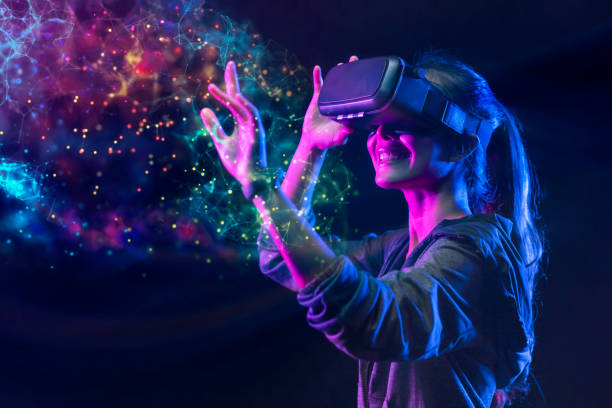

Wearable technology isn’t just some futuristic concept anymore. It’s already around us—think smartwatches, fitness bands, and even those quirky smart glasses you sometimes see on tech enthusiasts. But we’re barely scratching the surface of what wearables can do. The future promises devices that are smarter, more connected, and integrated into our lives in ways we might not even realize yet.
More Than Just Smartwatches
Right now, most people associate wearable tech with fitness trackers and smartwatches. These devices are great at counting steps, tracking heart rate, and nudging you to move more—but in the future, wearables will do much more. Imagine your watch not just telling time or showing notifications, but also predicting health issues before they become serious. Some companies are already exploring sensors that can detect early signs of illnesses like diabetes, heart problems, or even mental health issues. These aren’t just “cool gadgets”; they could actually save lives.
Seamless Integration Into Daily Life
One of the biggest challenges for wearables has been convenience. Nobody wants to wear something bulky or complicated every day. That’s why the next generation of devices is focusing on being as invisible as possible. Think smart clothing that can adjust temperature, monitor posture, or even charge your phone. Or contact lenses that display information directly in your vision. It’s almost like science fiction, but tech companies are investing heavily to make it real.
Wearables are also going to be more connected to our daily routines. Your smartwatch or smart glasses could communicate with your car, home, or even office to make your life smoother. For instance, it could adjust your thermostat when you leave home or alert your fridge when you’re low on certain groceries. The lines between devices, apps, and real life are going to blur even more.
Health and Wellness Revolution
One of the most promising areas for wearables is healthcare. Hospitals and clinics are already using wearable devices to monitor patients remotely. Imagine being able to detect a heart attack before it happens, or having a wearable constantly monitor blood sugar levels for diabetics without finger pricks. These devices could reduce hospital visits, save money, and improve overall quality of life.
Mental health is another area where wearables could make a huge impact. Devices that track sleep, stress levels, and even mood changes could help doctors and users intervene before problems escalate. It’s like having a personal health assistant that never sleeps.
Fashion Meets Function
Wearables are also starting to blur the line between tech and fashion. Nobody wants a device that looks like a science experiment strapped to their wrist. Companies are collaborating with designers to create devices that are stylish yet functional. Think rings that monitor health, jackets that track your posture, or even jewelry that doubles as tech gadgets. As these devices become more aesthetically pleasing, adoption will increase because people want them not just for function, but also as a fashion statement.
The Role of AI and Big Data
The real magic of future wearables is going to be in artificial intelligence (AI) and data analytics. Your devices will not just collect data—they’ll interpret it and give actionable insights. For example, instead of just telling you that you slept poorly, your wearable might analyze your diet, exercise, and daily stress to suggest personalized changes. The more data these devices collect, the smarter they get.
But with great power comes great responsibility. There will be privacy concerns. If your wearable knows your location, health, and habits, who owns that data? Tech companies will need to be transparent and responsible, or users might reject the technology altogether.
Beyond Personal Devices: Industrial and Professional Wearables
Wearables aren’t just for personal use—they’re starting to enter professional and industrial spaces. Construction workers could wear smart helmets that detect dangerous conditions. Surgeons could use augmented reality glasses during complex operations. Even warehouse employees could have devices that optimize lifting or navigation. These professional applications could make workplaces safer and more efficient.
It’s clear that wearables are moving beyond just fun gadgets into serious tools that can impact productivity, safety, and even lives.
Challenges Ahead
Despite all the excitement, there are still hurdles. Battery life is a constant limitation—nobody wants to charge a device multiple times a day. There are also concerns about comfort, durability, and cost. Not every wearable will succeed, and some may be more gimmicky than useful.
Another big challenge is interoperability. Right now, many devices work in silos. In the future, wearables will need to communicate seamlessly with other tech and platforms. Only then can we realize the full potential of a connected lifestyle.
A Glimpse Into the Future
So, what could the future actually look like? Imagine a day where you wake up, and your smart clothing adjusts to the perfect temperature while your smartwatch has already suggested a breakfast tailored to your nutrition needs. Your wearable monitors your stress levels as you commute, and your smart glasses display directions and reminders without you ever looking at a phone. At work, devices track fatigue and posture, helping you avoid injuries. And when it comes to healthcare, your wearable is silently monitoring your vitals, alerting you and your doctor to any unusual changes.
It might sound like a movie plot, but with the pace of technological innovation, these scenarios aren’t far off. Wearables are evolving from optional gadgets into essential tools that will change how we live, work, and even think about health and wellness.
Final Thoughts
The future of wearable technology is bright, exciting, and a little mind-blowing. From personal health monitoring to professional applications, wearables are going to touch nearly every aspect of life. But adoption will depend on comfort, affordability, and responsible data use. Those who embrace these devices early could enjoy a lifestyle that’s healthier, safer, and more connected than ever before.
If you’re thinking wearables are just another trend, think again. They’re evolving into something much bigger—a new way of living that’s integrated, intelligent, and incredibly personal. The gadgets of tomorrow might just become as indispensable as your smartphone is today.