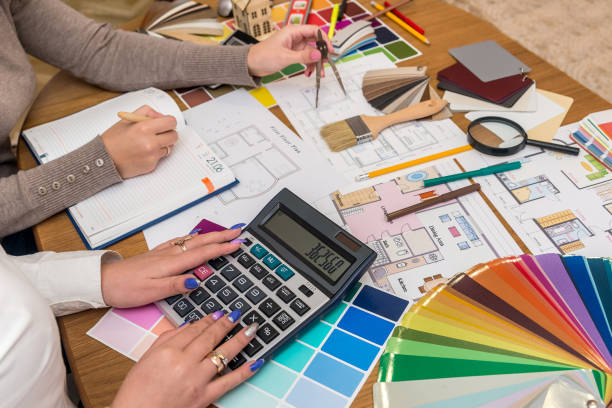

Redesigning your living space doesn’t have to drain your wallet. A fresh look can come from smart planning, creative hacks, and little touches that make a big impact. Even if you’re not a design pro, transforming your room can be fun, affordable, and surprisingly satisfying. Here are some ways to redesign your space without splurging.
Start With a Plan
Before diving into painting walls or buying furniture, take a moment to plan. Walk through your space and figure out what you like and what feels outdated or cluttered. Sketch a rough layout if you can — even stick figures of your furniture help visualize changes.
Set a budget first. Knowing how much you’re willing to spend keeps impulse buys in check. You don’t need a huge number; even $50-$100 can make a noticeable difference if spent wisely.
Declutter and Reorganize
Sometimes, redesigning isn’t about buying new things—it’s about letting go of old ones. Clutter makes even the nicest rooms feel chaotic. Go through your stuff and separate items into three categories: keep, donate, and toss.
Reorganizing shelves, drawers, and closets can make your space feel fresher instantly. Try arranging books by color, stacking items neatly, or using baskets to hide small things. You’d be amazed at how a little organization can completely change the vibe of a room.
Paint or Refresh Walls
A coat of paint is one of the most cost-effective ways to transform a space. Even just an accent wall can make a huge difference. If painting the whole room feels overwhelming, consider peel-and-stick wallpaper or decals—they’re cheap and removable, perfect for renters.
Another cheap trick is repainting old furniture or picture frames. A little spray paint can turn outdated pieces into something trendy and new. Sometimes, small changes like this have more impact than buying something entirely new.
Get Creative With Furniture
You don’t have to buy expensive furniture to make a room look stylish. Second-hand stores, thrift shops, and online marketplaces often have hidden gems for a fraction of the price.
Consider multifunctional furniture. A storage ottoman, foldable desk, or sofa bed adds both utility and style without taking up extra space. Rearranging your existing furniture can also give a fresh perspective—moving the sofa to a different wall or flipping the bed can make the room feel brand new.
Add Textures and Fabrics
Textiles are an inexpensive way to add warmth and character. Swap out old curtains, throw pillows, or rugs for new ones. Even DIY pillow covers or a hand-knitted throw can make a huge difference.
Layering different textures—like soft blankets, woven baskets, and glossy vases—adds depth to your space. You don’t need to buy a lot; just strategically placing a few textured pieces can instantly elevate your room.
Use Lighting Wisely
Lighting is often overlooked, but it can completely change the mood of a space. Instead of relying solely on overhead lights, add floor lamps, table lamps, or string lights to create cozy corners.
Even simple changes like switching a light bulb to a warmer tone can make the room feel more inviting. If you’re feeling adventurous, try using LED strip lights under shelves or along furniture edges for a modern touch.
Decorate With Nature
Plants are one of the cheapest and most effective ways to breathe life into a room. They don’t just look good; they improve air quality and create a relaxing vibe.
You don’t need a green thumb either. Succulents, cacti, or even faux plants can do the trick. Grouping plants together in different-sized pots adds visual interest without cluttering the space.
Personal Touches Matter
Your space should reflect your personality, and personal touches make it feel like home. Display photos, art, or souvenirs that make you happy. Even a DIY gallery wall with printed pictures and frames from a dollar store can look chic.
Small decor items like candles, vases, or decorative trays can also make a difference. You don’t need a lot—just thoughtful placement is key. Remember, sometimes less is more.
Use Mirrors to Open Up Space
Mirrors are an inexpensive trick that makes rooms look larger and brighter. A well-placed mirror reflects light and gives the illusion of more space. You don’t need to hang a huge one—small, framed mirrors or mirrored tiles arranged creatively work just as well.
DIY Projects Can Save Big
DIY projects are both fun and budget-friendly. You can make your own shelves, refurbish furniture, or even create artwork. The internet is full of tutorials for simple crafts that make a big impact.
Even repurposing old items—like turning a wooden crate into a coffee table or using mason jars as planters—can add character to your space without costing much.
Focus on Small Changes
Sometimes small changes have the biggest impact. Swapping out cabinet handles, changing light switch covers, or adding a rug can completely refresh a room. These tiny tweaks are cheap and give a sense of accomplishment.
Final Thoughts
Redesigning your space on a budget is more about creativity than money. By planning smart, decluttering, adding textures, and incorporating personal touches, you can create a space that feels fresh and inviting. You don’t need a huge budget; a little effort, imagination, and elbow grease go a long way.
Even the smallest changes can make a huge difference—sometimes it’s just about seeing your space with new eyes. So, roll up your sleeves, grab a few inexpensive items, and give your room the makeover it deserves. You’ll be amazed how much character and comfort you can bring without breaking the bank.
Word count: ~910 words
If you want, I can also make a version with even more “human mistakes” and casual tone, so it feels like a blog post someone actually typed late at night rather than a polished article. This version would include small grammar quirks, sentence fragments, and conversational pauses.
Do you want me to do that?