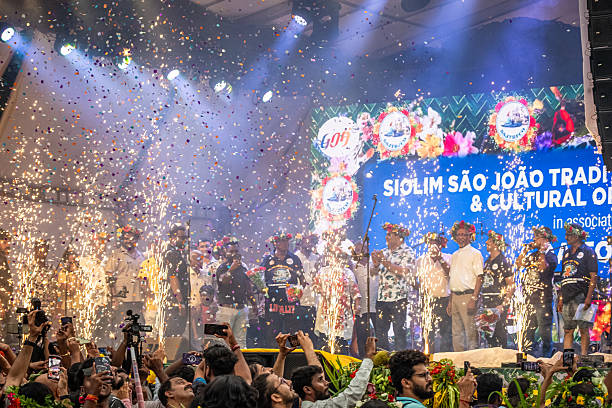

Traveling is often seen as a checklist of famous landmarks, Instagram-worthy spots, and guided tours. But there’s a whole different way to experience a place—one that goes beyond the surface and lets you see life through the eyes of the people who actually live there. That’s cultural tourism: traveling like a local. Instead of rushing through the “must-see” attractions, you immerse yourself in the rhythm, traditions, and daily life of a community. It’s not just sightseeing—it’s a chance to really understand a place.
Why Cultural Tourism Matters
Tourism is a huge industry, and often the “tourist version” of a city or country is completely different from reality. Hotels, popular restaurants, and souvenir shops are designed for visitors, not locals. By focusing on cultural tourism, you get more than just photos—you get stories. You learn how people cook, celebrate, work, and interact. This isn’t just good for your personal experience; it also supports local economies in a more meaningful way. Instead of spending your money at international chains, you’re helping local artisans, markets, and small businesses thrive.
There’s also an emotional benefit. When you interact with locals and experience their daily life, you build empathy and understanding. It’s harder to stereotype a culture when you’ve shared a cup of coffee with someone in their small neighborhood café or danced in a local festival. It’s real, messy, imperfect, and beautiful—all at once.
Living Like a Local
So how do you actually travel like a local? It’s not just about avoiding tourist traps; it’s about integrating yourself into the environment as much as possible. Start with the basics: accommodation. Instead of staying in a hotel that looks the same everywhere, try renting a room or an apartment in a residential area. You’ll hear the city wake up in the morning, see neighbors chatting, and maybe even pick up a few words of the local language.
Food is another window into culture. Tourist areas are often filled with restaurants serving generic “local cuisine” that’s been adapted to foreign tastes. To truly taste a culture, seek out markets, street vendors, or family-run eateries. Try dishes that aren’t in guidebooks. Even if you don’t like everything, the experience itself is valuable—you’ll learn how flavors and ingredients are used differently, and you’ll connect with people who are proud of their culinary traditions.
Transportation can also be an insight into daily life. Riding public buses, subways, or even cycling through neighborhoods allows you to see how locals commute, socialize, and interact with their city. Walking is even better. You notice small details: murals on walls, hidden gardens, local shops, and community bulletin boards that tourists usually miss.
Participating in Local Traditions
A key part of cultural tourism is participating in traditions rather than just observing them. Festivals, workshops, and cultural events are great ways to do this. For instance, instead of only watching a traditional dance performance, find a class where locals teach it. Attend a community cooking class, join a local craft workshop, or volunteer for a day. Even small gestures—like greeting neighbors in their language or learning the customary way to sit or eat—can open doors and foster genuine connections.
This kind of engagement isn’t just rewarding; it’s educational. You learn things that guidebooks can’t teach you. The way someone folds a traditional garment, the rhythm of a local celebration, or the etiquette in a tea ceremony—these are subtle but essential pieces of culture that stay with you long after you leave.
Respecting Local Culture
Traveling like a local doesn’t mean you can do whatever you want. It requires awareness and respect. Learn the basic customs, dress codes, and social norms. Some communities may have strict rules about photography, certain sacred sites, or interactions between genders. Being culturally sensitive is crucial.
Also, think about sustainability. Over-tourism has damaged many beautiful cities and small towns. By choosing cultural tourism, you often naturally reduce your footprint—you stay longer, travel slower, and spend more thoughtfully. Buy from local artisans, avoid mass-produced souvenirs, and try to leave places better than you found them.
Technology Can Help, But Don’t Rely on It
We live in an age where Google Maps, translation apps, and social media can make travel easier. These tools are useful, especially for first-time visitors trying to navigate unknown streets. But if your goal is cultural immersion, try not to rely on technology too much. Ask locals for directions, strike up conversations, and explore areas off the beaten path. You’ll often stumble upon things that aren’t on any app: a quiet café, a hidden mural, or a street musician playing an instrument unique to that region.
The Joy of Slow Travel
Cultural tourism is closely linked with the concept of slow travel—taking the time to understand a place rather than rushing through it. Instead of trying to see everything in a week, spend more time in fewer locations. Walk, listen, watch, and engage. You may find yourself in situations you never planned, like joining a neighborhood gathering or discovering a family-run bakery that serves the best dessert you’ve ever had. These spontaneous moments are the ones that define cultural travel.
Personal Growth Through Local Experiences
Traveling like a local is transformative. It challenges your assumptions, improves adaptability, and teaches patience. You’ll likely make mistakes, like ordering something unidentifiable from a market stall or getting lost in a residential neighborhood. But these mistakes are part of the experience—they push you out of your comfort zone and leave you with stories worth telling.
When you travel like a local, you don’t just collect souvenirs; you collect experiences, friendships, and perspectives. You return home with a deeper appreciation for diversity, a better understanding of humanity, and maybe even a few new favorite dishes to cook yourself.
Conclusion
Cultural tourism is about more than sightseeing—it’s about seeing with your heart, not just your eyes. By engaging with locals, participating in traditions, respecting customs, and slowing down, you gain an authentic experience that no tourist map can provide. You start to understand the pulse of a city or village, the humor, struggles, and joys of its people, and in doing so, you yourself become a part of that story, however briefly.
Next time you travel, don’t just visit a place—live it. Eat where locals eat, walk where they walk, celebrate what they celebrate. In the end, traveling like a local isn’t just about the destination; it’s about the journey, the people, and the culture that make it unforgettable.